Gold, Oil & India's Economy: Navigating the Storm in 2025–26
India stands at a critical economic crossroads in 2025–26. Two of the most powerful forces shaping our financial landscape — gold and crude oil — are creating ripple effects that touch every Indian household, business, and policymaker. Understanding these dynamics is not just an academic exercise; it is essential for entrepreneurs, investors, and citizens who want to navigate the turbulence ahead.

The Oil Price Shock: India's Achilles' Heel
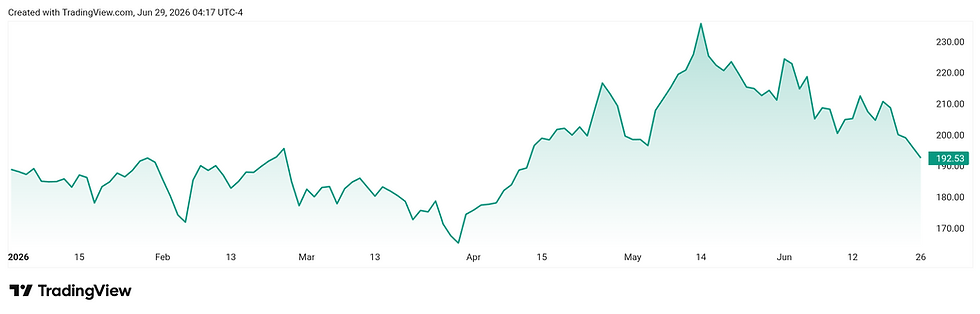
India imports approximately 85–90% of its crude oil requirements, making it acutely vulnerable to global price swings. In 2026, the Indian basket of crude oil surged to $115 per barrel in April — a dramatic spike driven largely by geopolitical tensions in West Asia, particularly the escalating US-Iran conflict.
The consequences are far-reaching:
Inflation Surge: Higher crude prices directly fuel inflation across transport, food, and energy sectors, pushing up both the Wholesale Price Index (WPI) and retail inflation.
GDP Growth Slowdown: India's GDP growth, which stood at a robust 8% in Q1 2026, is projected to slow to 6.7% in FY2026–27 — a direct consequence of the oil price shock.
Widening Trade Deficit: The surge in oil import bills is significantly widening India's merchandise trade deficit and current account deficit (CAD), which could exceed 2% of GDP this fiscal year.
Rupee Under Pressure: Increased demand for US dollars to fund oil imports has weakened the Indian Rupee, which has touched record lows above ₹96 against the US dollar — making it one of Asia's worst-performing major currencies in 2026.
Sectoral Stress: Industries heavily reliant on petroleum inputs — aviation, chemicals, paints, tyres, cement, and logistics — are experiencing squeezed profit margins and rising operational costs.
Gold at Record Highs: A Double-Edged Sword
India is the world's second-largest consumer of gold, and the metal's price trajectory in 2025–26 has been nothing short of extraordinary. The average 24K gold rate touched approximately ₹1,59,000 per 10 grams in early 2026 — a historic high. While gold's safe-haven appeal has driven global demand, the situation is complex for India.
On one hand, gold serves as a critical inflation hedge and a store of value during economic uncertainty — a role deeply embedded in Indian culture and financial planning. On the other hand, India's heavy gold imports contribute significantly to the trade deficit and put additional pressure on the rupee.
The government has responded by increasing import duties on gold — with a 10% basic customs duty plus a 5% Agriculture Infrastructure and Development Cess — and Prime Minister Modi has appealed to citizens to reduce gold purchases. Despite these measures, demand remains resilient, reflecting the deep cultural and financial significance of gold in Indian households.
What This Means for Indian Entrepreneurs and Investors
For entrepreneurs and business leaders, the current environment demands strategic agility. Here are the key takeaways:
Hedge Against Currency Risk: With the rupee under sustained pressure, businesses with import-heavy supply chains must explore currency hedging strategies or diversify sourcing to reduce dollar exposure.
Energy Efficiency as a Competitive Advantage: Rising fuel costs make energy efficiency not just an environmental goal but a direct business imperative. Startups and SMEs that invest in energy-efficient operations will gain a meaningful cost advantage.
Rethink Logistics and Supply Chains: With transportation costs rising, businesses should evaluate last-mile delivery models, consolidate shipments, and explore local sourcing to reduce logistics costs.
Gold as a Portfolio Diversifier: For investors, gold remains a valuable hedge against inflation and currency depreciation. However, given elevated prices and import duty increases, digital gold and sovereign gold bonds offer more cost-effective exposure than physical gold.
Watch the Fiscal Deficit: Sustained high oil prices strain government finances, potentially leading to higher taxes, subsidy cuts, or increased borrowings. Entrepreneurs should monitor fiscal policy signals closely, as they will shape the business environment in the coming quarters.
The Road Ahead: Resilience in Uncertainty
India's economic fundamentals remain strong — a young demographic, a growing digital economy, and a government committed to infrastructure investment. However, the twin pressures of elevated oil and gold prices are a reminder that external shocks can quickly reshape the domestic landscape.
"The measure of a nation's resilience is not the absence of shocks, but the speed and intelligence with which it adapts to them."
For Indian entrepreneurs, policymakers, and investors, the current moment calls for informed decision-making, strategic hedging, and a long-term perspective. The volatility in gold and oil markets is not just a challenge — it is also an opportunity for those who understand the dynamics and position themselves accordingly.
Stay informed. Stay agile. And as always, let data and strategy — not fear — guide your decisions.


Comments